Documentary Production Courses in Pakistan


Documentary filmmaking has emerged as one of the most influential forms of visual storytelling in Pakistan. With the rise of digital media, YouTube channels, streaming platforms, news organizations, NGOs, tourism projects, and corporate branding campaigns, the demand for professional documentary producers, directors, videographers, editors, and storytellers has increased significantly.
A Documentary Production Course in Pakistan provides aspiring filmmakers with the practical skills, technical knowledge, and creative expertise needed to produce compelling documentaries that educate, inspire, and engage audiences. Whether you want to create travel documentaries, social issue documentaries, historical films, wildlife productions, corporate documentaries, or investigative reports, professional training can help transform your passion into a successful career.
This comprehensive guide explores everything you need to know about documentary production training in Pakistan, including course modules, career opportunities, equipment requirements, industry trends, and how to become a professional documentary filmmaker.
What is Documentary Production?
Documentary production is the process of planning, filming, editing, and distributing non-fiction visual content that presents real-life events, people, places, cultures, histories, and social issues.
Unlike fictional films, documentaries focus on reality-based storytelling and factual content. Documentary producers use research, interviews, visuals, narration, and cinematic techniques to communicate information and emotions effectively.
The documentary production process generally includes:
Research and topic selection
Story development
Script writing
Pre-production planning
Location scouting
Interview preparation
Camera operation
Audio recording
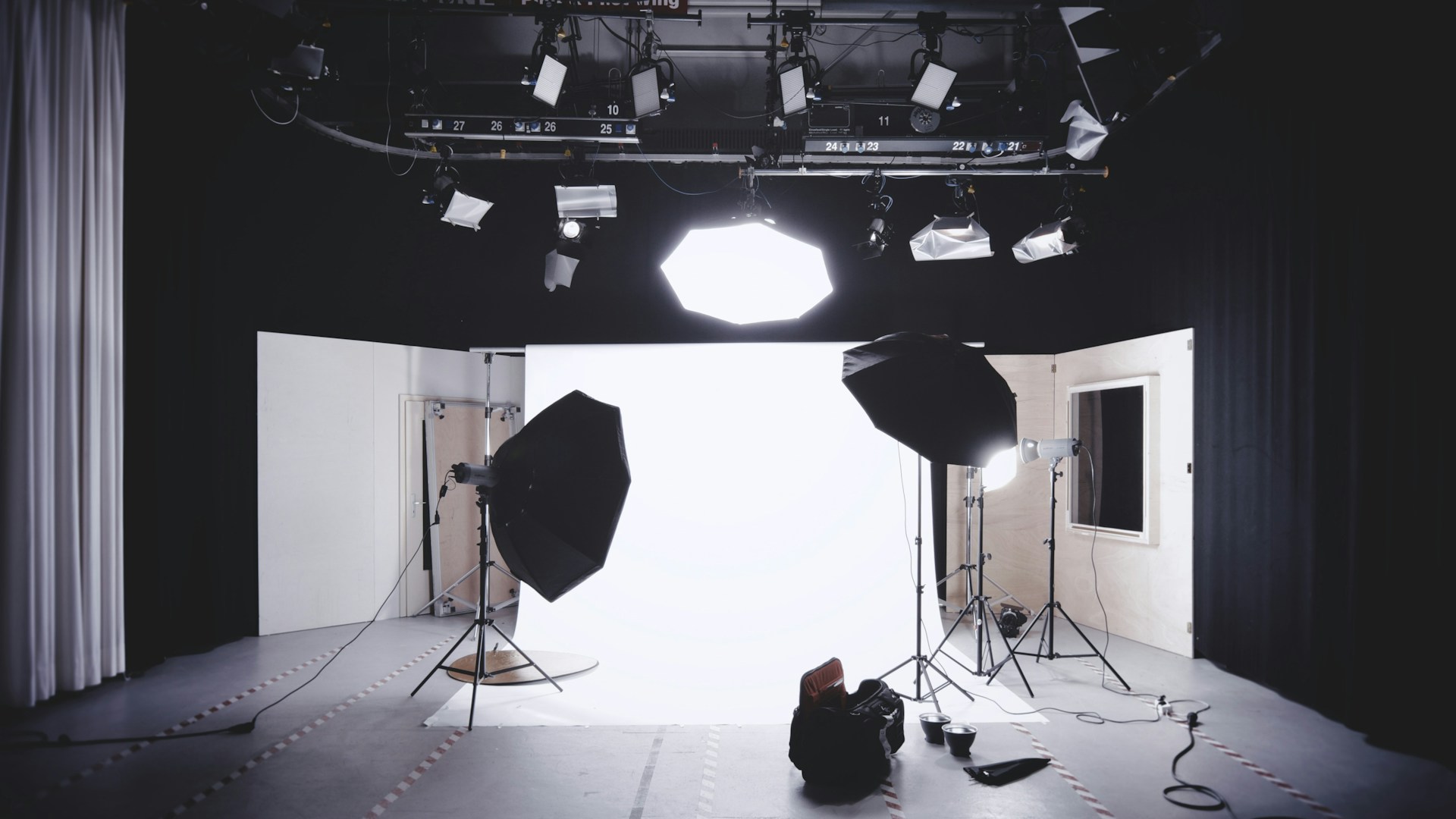
Lighting setup
Drone cinematography
Video editing
Color grading
Sound design
Documentary distribution
A professional Documentary Production Course in Pakistan teaches students every stage of this process.
Why Documentary Filmmaking is Growing in Pakistan
Pakistan offers incredible opportunities for documentary filmmakers due to its rich culture, history, landscapes, traditions, and social diversity.
Documentary filmmakers can create content on:
Tourism and Travel
Pakistan's mountains, valleys, historical sites, and cultural heritage attract international audiences interested in travel documentaries.
Social Awareness
NGOs and development organizations require documentary producers to highlight community projects and social issues.
Corporate Storytelling
Businesses increasingly use documentaries to showcase their brand stories, manufacturing processes, and social impact.
Historical Documentation
Pakistan has thousands of historical landmarks, traditions, and cultural stories that need professional documentation.
Digital Content Creation
YouTube, Facebook Watch, and streaming platforms have created significant demand for documentary content.
Importance of Learning Documentary Production Professionally
Many people believe owning a camera is enough to become a documentary filmmaker. However, professional documentary production requires much more than operating equipment.
A structured Documentary Production Course in Pakistan teaches:
Storytelling techniques
Research methodologies
Interview skills
Cinematography principles
Documentary ethics
Audio production
Lighting techniques
Editing workflows
Project management
Distribution strategies
Professional training helps students avoid costly mistakes and produce industry-standard documentaries.
Key Modules of a Documentary Production Course in Pakistan
Introduction to Documentary Filmmaking
Students learn the history and evolution of documentary films.
Topics include:
Documentary genres
Famous documentary filmmakers
Documentary styles
Ethics and responsibilities
Audience psychology
Documentary Research Techniques
Research is the foundation of every successful documentary.
Students learn:
Information gathering
Fact verification
Source evaluation
Archival research
Interview research
Strong research improves documentary credibility and storytelling quality.
Story Development and Concept Creation
A compelling documentary starts with a powerful story.
Students learn:
Identifying unique stories
Building narratives
Character development
Story arcs
Documentary structures
This module helps transform ideas into engaging productions.
Script Writing for Documentaries
Documentary scripts differ significantly from film scripts.
Students learn:
Documentary scripting
Voice-over writing
Interview integration
Scene planning
Story sequencing
Effective scripting improves production efficiency and storytelling clarity.
Camera Operation and Cinematography
Visual storytelling is a core component of documentary filmmaking.
Students learn:
Camera settings
Exposure control
Framing techniques
Composition principles
Camera movements
Lens selection
Professional cinematography dramatically improves production quality.
Lighting Techniques
Lighting influences mood, clarity, and visual appeal.
Training includes:
Natural lighting
Interview lighting
Indoor setups
Outdoor lighting
Three-point lighting systems
Understanding lighting helps create cinematic visuals.
Audio Recording
Poor audio can ruin an otherwise excellent documentary.
Students learn:
Microphone selection
Audio monitoring
Interview recording
Ambient sound collection
Noise reduction
Professional audio significantly improves viewer engagement.
Drone Filmmaking
Modern documentaries often use aerial footage.
Students learn:
Drone regulations
Flight planning
Aerial cinematography
Safety protocols
Landscape filming
Drone footage enhances production value and storytelling.
Interview Production
Interviews are often the backbone of documentary projects.
Students learn:
Question development
Interview setup
Subject preparation
Camera placement
Audio management
Strong interviews create emotional connection and authenticity.
Documentary Editing
Editing transforms raw footage into a cohesive story.
Students learn:
Adobe Premiere Pro
DaVinci Resolve
Editing workflows
Timeline organization
Story pacing
Transition techniques
Editing is one of the most important documentary production skills.
Color Grading
Color grading creates a professional cinematic appearance.
Students learn:
Color correction
Color matching
Mood enhancement
Look development
Professional grading elevates visual quality.
Sound Design and Audio Enhancement
Sound design improves emotional impact.
Topics include:
Background music
Audio cleanup
Sound effects
Voice enhancement
Mixing techniques
Effective sound design creates immersive documentaries.
Types of Documentaries Students Can Produce
Travel Documentaries
Showcasing destinations, cultures, and tourism opportunities.
Historical Documentaries
Exploring historical events and cultural heritage.
Wildlife Documentaries
Documenting animals, ecosystems, and conservation efforts.
Investigative Documentaries
Research-driven productions uncovering important issues.
Corporate Documentaries
Highlighting organizations, brands, and business success stories.
Educational Documentaries
Teaching audiences about science, technology, health, and culture.
Social Impact Documentaries
Focusing on community development and social change.
Career Opportunities After Completing a Documentary Production Course
Graduates can pursue careers as:
Documentary Producer
Managing documentary projects from concept to completion.
Documentary Director
Leading creative vision and production execution.
Cinematographer
Capturing professional documentary footage.
Video Editor
Editing documentaries for television, streaming platforms, and social media.
Content Creator
Producing documentary-style content for YouTube and digital platforms.
Media Consultant
Providing documentary production services to organizations.
NGO Media Specialist
Creating awareness campaigns and impact documentaries.
Travel Filmmaker
Producing tourism and adventure documentaries.
Equipment Used in Documentary Production
Professional documentary filmmakers commonly use:
DSLR cameras
Mirrorless cameras
Cinema cameras
Drone systems
Tripods
Gimbals
Shotgun microphones
Lavalier microphones
LED lighting kits
Audio recorders
Editing workstations
Students typically receive hands-on training with industry-standard equipment.
Documentary Production Industry in Pakistan
The documentary industry in Pakistan continues to grow due to:
YouTube monetization opportunities
Tourism promotion projects
Corporate branding campaigns
Government awareness programs
NGO storytelling initiatives
Digital media expansion
Organizations increasingly seek professionals capable of producing high-quality documentary content.
Benefits of Enrolling in a Documentary Production Course in Pakistan
Students gain:
Professional filmmaking skills
Industry exposure
Practical production experience
Portfolio development
Networking opportunities
Career advancement
Freelancing opportunities
Entrepreneurial skills
Professional training provides a strong foundation for long-term success.
Who Should Join a Documentary Production Course?
This course is suitable for:
Aspiring filmmakers
YouTubers
Journalists
Media students
Travel vloggers
NGO professionals
Marketing specialists
Content creators
Photographers
Entrepreneurs
No prior filmmaking experience is required for many beginner-level programs.
Future of Documentary Filmmaking in Pakistan
The future of documentary production in Pakistan looks highly promising. Growing internet penetration, social media platforms, OTT streaming services, and increasing global interest in Pakistan's culture and landscapes are creating unprecedented opportunities for documentary creators.
Documentary filmmakers can now reach international audiences directly through digital platforms, making professional documentary production skills more valuable than ever.
Enroll in a Professional Documentary Production Course in Pakistan
If you want to build a successful career in documentary filmmaking, travel production, investigative storytelling, corporate filmmaking, or digital content creation, professional training can accelerate your journey.
Learn industry-standard documentary production techniques, gain hands-on experience, and develop a professional portfolio under expert guidance.
Contact for Documentary Production Training
Instagram: @islamabadproudctionhouse
📞 +92 300 5673567
📞 0300 8558558
Start your journey today and become a professional documentary filmmaker capable of creating powerful stories that inform, inspire, and make a lasting impact.
Step inside our creative world, enjoy early demos, exclusive footage, live sessions, and members-only updates by subscribing today.
Subscribe

Get in touch with us
Contact +92 300 5673567
Email: islamabadproductionhouse@gmail.com